Rainy hours
Sensory fidget toys for kids: how to choose a set that gets used
Most sensory fidget toys for kids are bought in a rush and abandoned in a drawer. Here is what we have learned about which ones survive a term.
Start with the hands, not the diagnosis
The first question is never which condition a child has. It is what the hands are already doing. A child who picks at sleeves wants something to pinch. A child who taps wants something with a rhythm. A child who rocks a chair wants weight and motion.
Watch for a week before you buy anything. The fidget toys that get used are the ones that replace a habit the body already has, and the ones that get abandoned are the ones that ask for a new one.
This holds whether or not there is a diagnosis in the picture. Plenty of kids with no label at all need somewhere to put their hands at four in the afternoon, and plenty of adults do too.
What quiet actually means in practice
Every listing says quiet. Very few mean it. A sensory toy is quiet if it makes no sound when it is used badly — dropped on a desk, spun too hard, squeezed and released.
Our own test is simple. Sit at a table, close your eyes, and have someone use the toy a meter away. If you can tell what they are doing, a teacher three rows back can too.
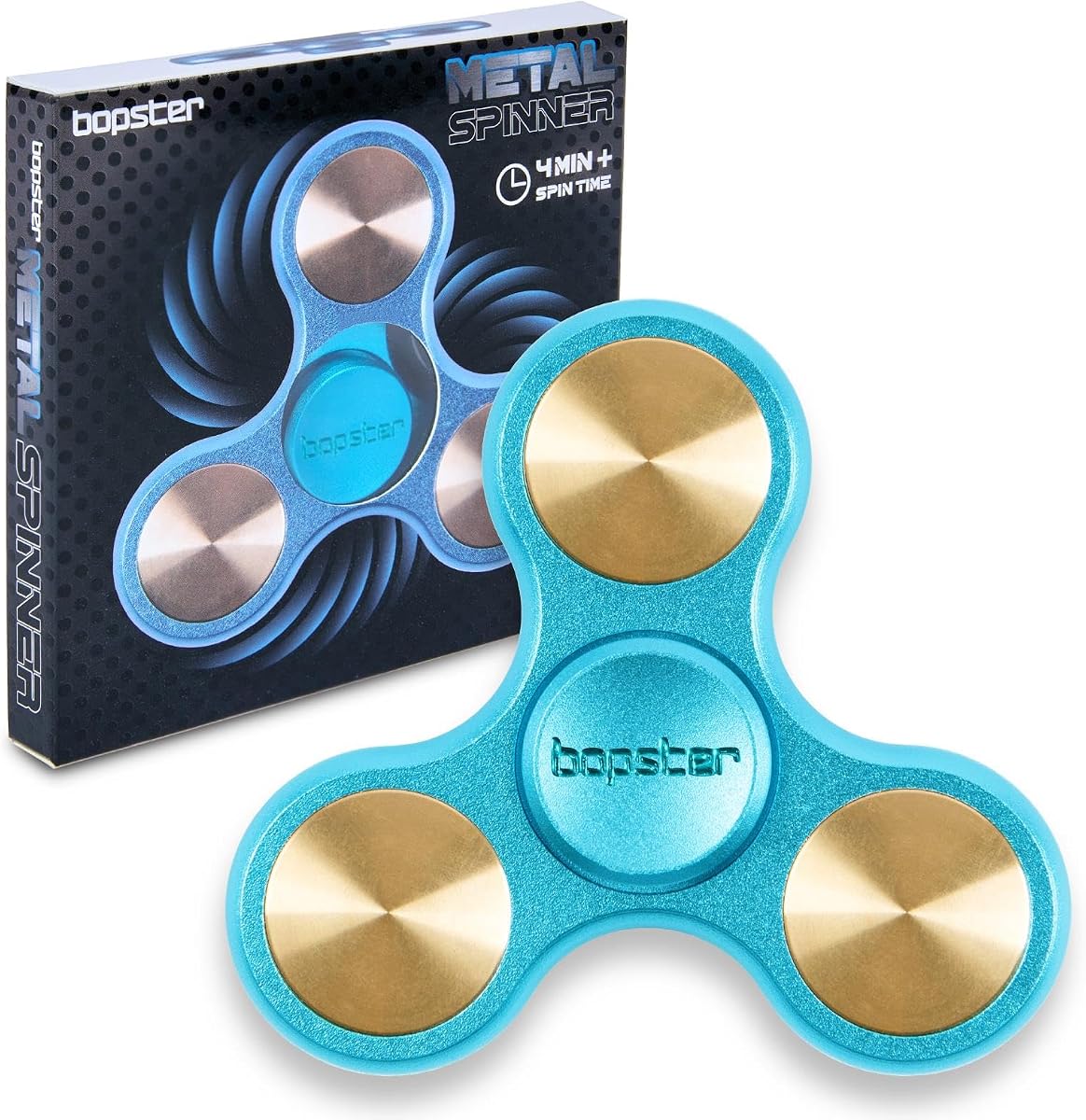
Discreetness is the quality that keeps a fidget tool in a classroom instead of in a confiscation drawer. A metal cube turned under a desk passes that test. A bright plastic spinner thrown between two students does not, which is why so many schools banned the whole category in 2017.
The four kinds of input worth having in a set
A good set covers more than one sense, because what a child needs at nine in the morning is not what they need at bedtime. We think of it as four kinds of input, and most households end up with two or three of them.
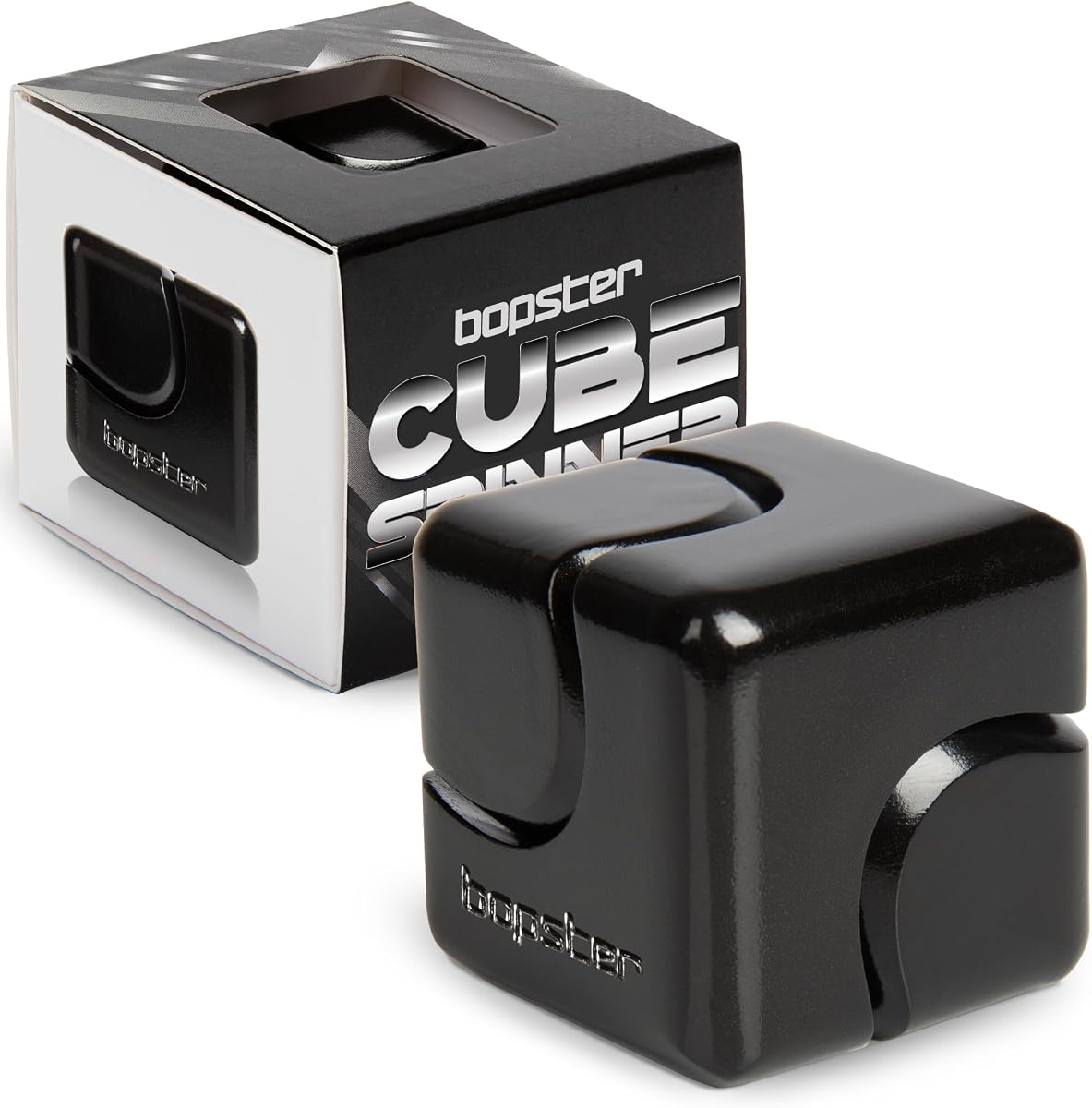
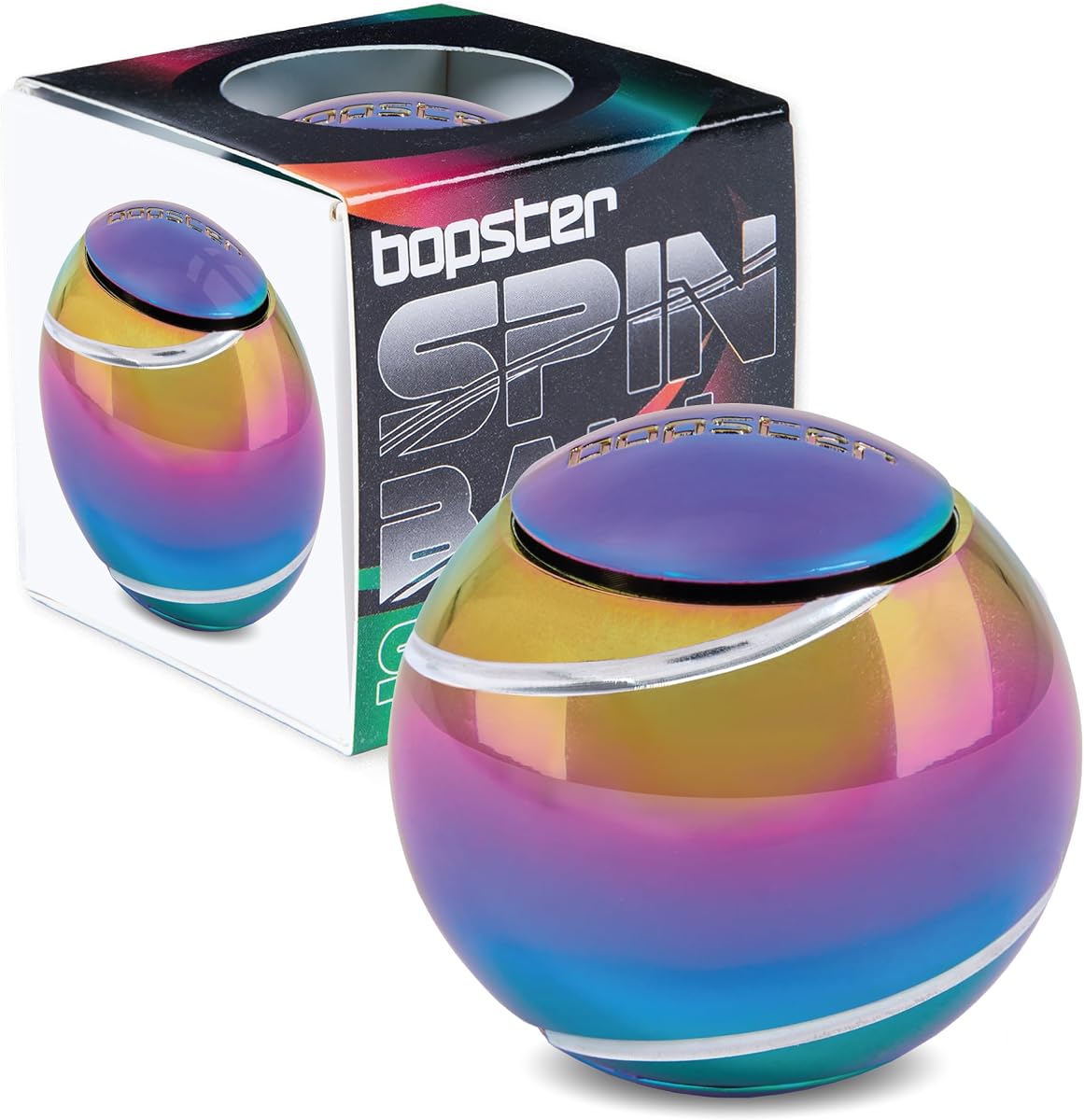
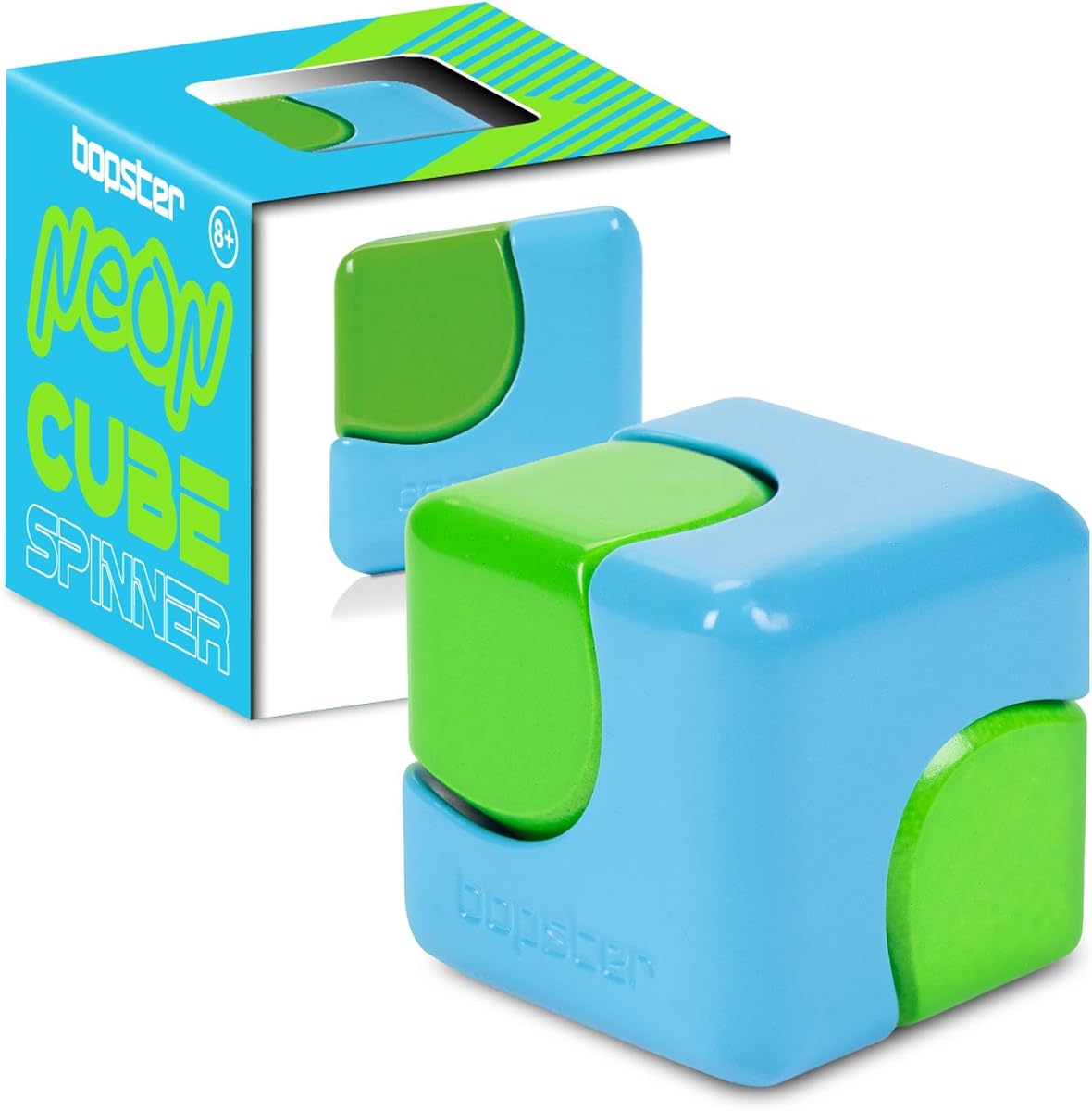
Rolling and spinning input suits restless hands that want continuous motion — a spin ball or a cube spinner gives that without any noise at all.
Resistance input suits hands that want to press. Anything you can squeeze and feel push back serves this, and it is the one category we do not make ourselves.
Tactile input is about surface rather than motion: cold metal, a knurled edge, a raised pattern under a thumb. It works fast and it works quietly.
Slow focus input is the opposite end entirely — a jigsaw, a bead maze, anything where the hands are busy for an hour rather than a minute. This is the one most people forget to include.
Fidget toys, focus and the honest version
Sensory toys will not make a child concentrate. What they do is give a restless nervous system a predictable, repeatable motion to run in the background, which can free up enough attention for the work in front of them.
For some kids with ADHD that difference is dramatic and teachers notice it within a week. For others it changes nothing. Where autism is in the picture, occupational therapists often build a set around one calming object the child already seeks out rather than introducing five new ones at once.
Anxiety is a slightly different job. A fidget object does not reduce anxiety on its own, but having something to hold gives stress a smaller target, and a lot of people find that is enough to get through a waiting room or a test.
Buying a set without wasting money
Buy cheap first. An affordable single object tells you more in a week than a thirty piece bundle tells you in a month, because the bundle hides which piece is doing the work.
Avoid the big mixed boxes sold as a complete sensory set. They are usually eight items nobody wanted wrapped around two that everybody does, and the eight end up under a bed.
Replace rather than accumulate. When a toy stops being interesting, it is finished — put it away and bring it back next term rather than leaving it in the pile.
Keep one in each place. A school bag, a car door pocket and a bedside drawer is a better distribution than three objects in one tin, and it costs the same.
What a sensible starter set looks like
If someone asked us to assemble a set from scratch for a seven year old, we would start with three things and stop there.
One small metal cube spinner for school, because it is silent, pocket sized and survives being sat on. One glow in the dark spin ball for the bedroom, because the charge gives a bedtime routine something to hang on. And one 180 piece jigsaw for the kitchen table, because an hour of slow focus does something none of the quick tools can.
That is roughly thirty dollars of equipment and it covers morning, evening and the weekend. Add a squeeze object from somewhere else if the hands want resistance, and the set is complete.
The test for whether it is working is not whether the child looks calmer while holding it. It is whether the thing is still being carried around a month later. Objects that genuinely help get carried. Everything else is tidying.
Sensory fidget toys for kids who share a room
Two children and one bedroom changes the shortlist. Anything that clicks is out, anything that glows is a negotiation, and anything with a motor is a feud waiting to happen. What works is a set of silent objects that engage one pair of hands without entering anybody else's evening.
Relaxation at bedtime is mostly about predictability, so pick the thing that behaves the same way every night: a spin ball that rolls, a cube that turns, a strip of texture under a thumb. The enjoyable part should be the motion itself and nothing else — no score, no lights, no reason to show it to the other bed.
Short answers
What are the top sensory toys for a classroom?
The quiet ones, every time. A metal cube spinner, a textured strip taped under a desk and a weighted lap pad cover most of what students need without affecting anybody else in the room.
At what age do fidget toys stop being useful?
They do not. The objects change — adults tend to move from spinners to pens, rings and worry stones — but the need for busy hands outlasts school by several decades.
How many should a child have at once?
Two or three, in different places. More than that and the set becomes a collection, which is a different and much less useful thing.