Rainy hours
Sensory fidget toys for kids in the classroom: what teachers actually ban
The bans were written against one very specific toy. Knowing which one helps enormously when you are standing in front of a shelf of sensory fidget toys for kids, trying to work out what the school will let through the door.
What got banned, and why it was not sensory toys
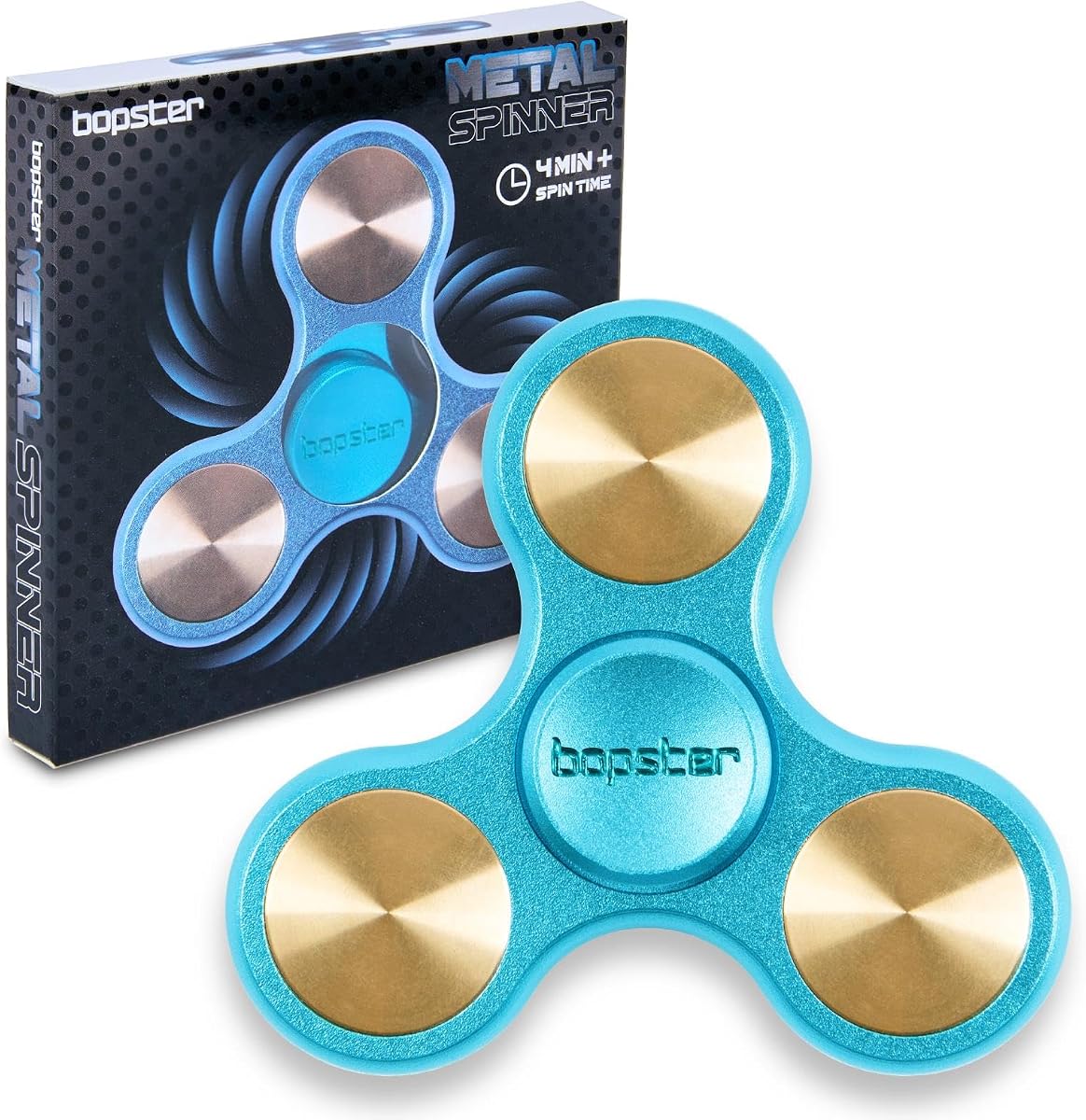
The spinners that caused the problem were light plastic tri spinners with exposed arms, sold for a pound and designed to be flicked. They were loud on a desk, they came apart, and they were thrown between desks within about a fortnight of arriving in any school.
Almost every ban written in that period describes that object, even when the wording says fidget spinner generally. A school policy is a document written in a hurry about a specific nuisance, not a judgement on sensory toys as a class of thing. Most of the quiet tools used to support attention were never in question and still are not.
What tends to be allowed
Objects that make no noise, cannot be thrown usefully, and do not attract an audience. In practice that means something small, heavy and dull colored that is turned below the desk line rather than displayed on top of it. Discreetness is the whole requirement, and it is the one most fidget toys fail.
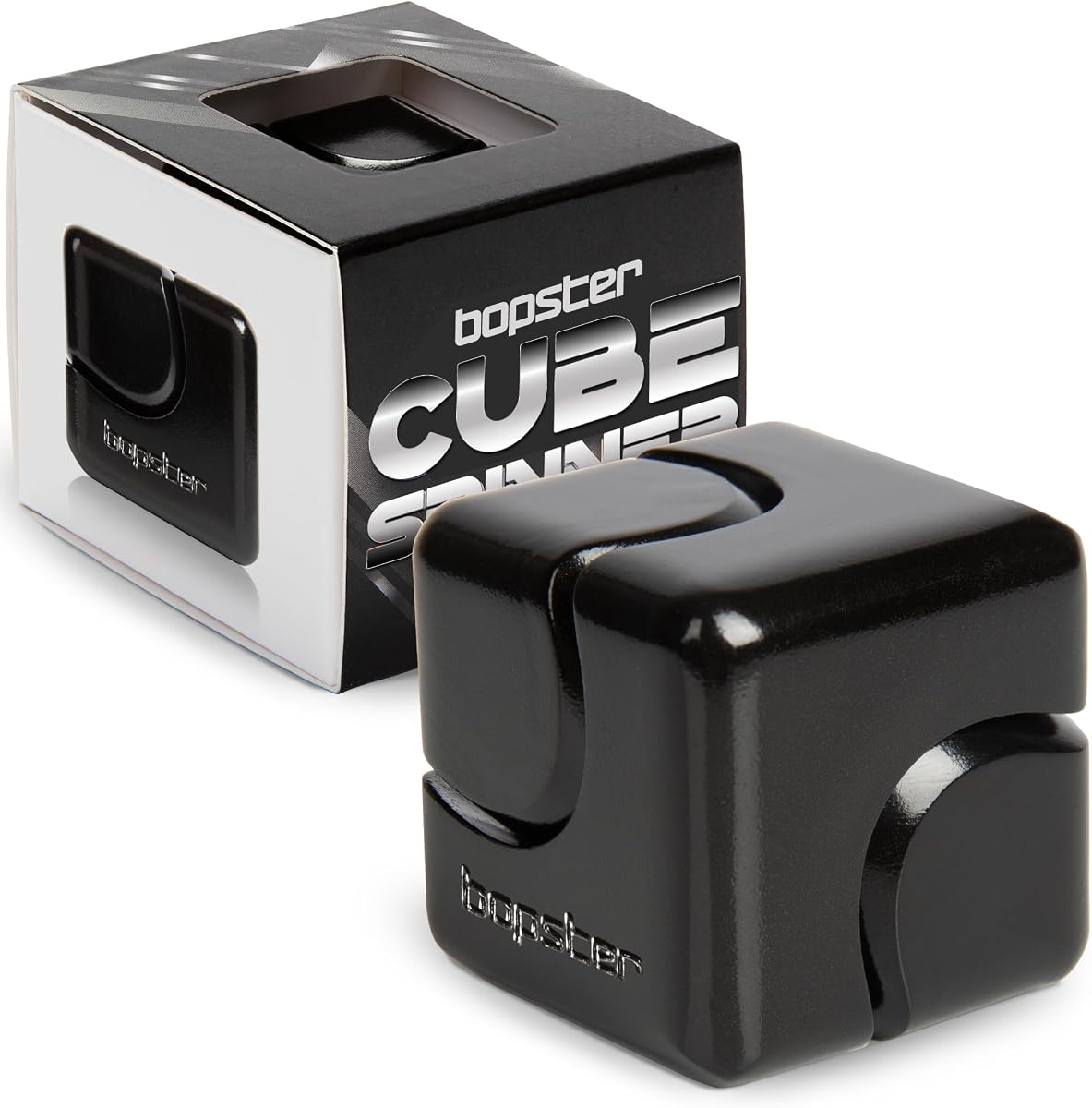
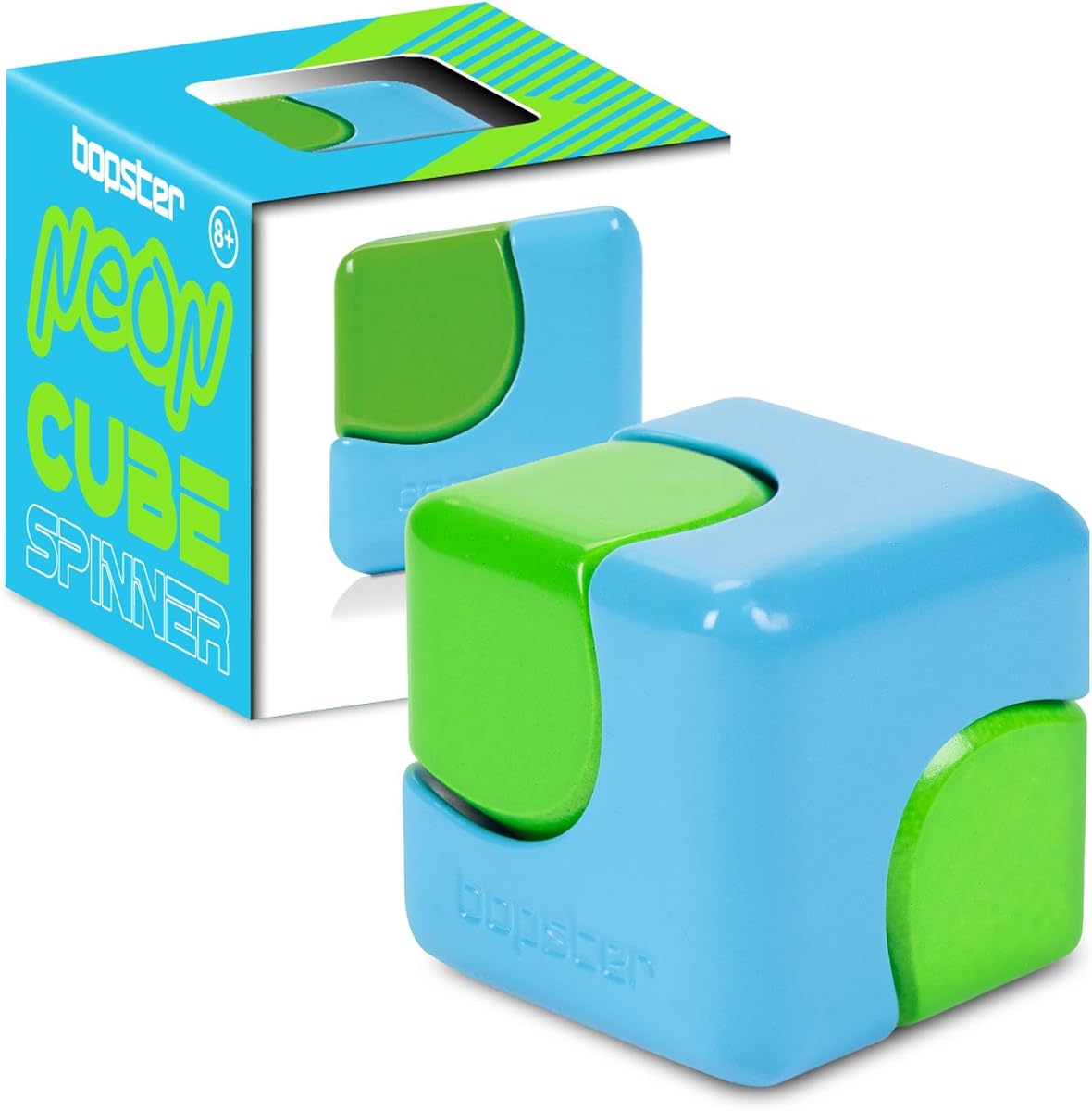
A cube spinner in flat black meets all three conditions. A neon one meets two of them and relies on the teacher's mood for the third. A squeeze ball is allowed almost everywhere because it is silent, soft and boring to watch.
Quiet, discreet and genuinely useful
A good classroom set is three or four objects, not a drawer of them. One thing to squeeze, one thing to turn, one thing with a tactile edge to run a thumb along. That is enough range to engage restless hands without turning the desk into a display.
Students who use fidget toys well tend to use the same two forever. The toys that look most enjoyable in a shop are usually the ones that get confiscated: lights, clicks, moving parts that come off. Affordable and plain beats clever almost every time, and a cheap set lets a child find their own favorite without anybody losing much.
Where focus actually comes into it
The honest version is this: a fidget toy does not create focus. It occupies the part of the body that was going to interrupt focus anyway. For a child with ADHD that can be the difference between sitting out the last twenty minutes of a lesson and leaving the room. For a child on the autism spectrum a predictable, repeatable motion can lower the background noise enough to let attention land.
It helps with anxiety in the same indirect way. Nothing about a metal cube treats anxiety or stress. It gives stress something small and calming to do with the hands while the feeling passes, and for a lot of kids and plenty of adults that is the entire benefit. Relaxation is a side effect of hands having a job, not a promise printed on a box.
The practical checklist
Silent under a desk at arm's length. Small enough to close a hand around completely. Heavy enough that it does not travel if it is dropped. No removable parts. No lights. Nothing that changes how it looks when somebody is watching.
If the object fails any of those, it is a home toy, and that is a perfectly good thing for it to be. Looking at the shelf with those five lines in mind narrows a wall of sensory fidget toys down to about four, which is roughly the right number to feel confident about.
Short answers
Can a fidget toy be part of a formal support plan?
Yes, and that is the strongest position to be in. A tool named in a plan is not subject to the general policy, and nobody has to argue it again in January.
What about exams?
Exam boards and invigilators have their own rules and they are stricter. Ask the exams officer specifically — a classroom permission does not carry over.
How many should go into the school bag?
One, in a side pocket, with the rest of the set left at home. A set in a bag becomes a collection, and a collection becomes a conversation at the back of the room.